
Wholesale relationships that once offered a clear path to visibility for emerging designers now come with margin compression that many small brands cannot absorb. Direct-to-consumer has democratised access to the customer but intensified the competition for attention. And the social media platforms that once rewarded organic discovery have been reshaped by algorithms, advertising budgets and, increasingly, artificial intelligence.
According to The Business of Fashion and McKinsey’s & Co’s The State of Fashion 2026 report, shopping-related searches on generative AI platforms grew 4,700 percent between 2024 and 2025. For independent designers without the budgets to buy their way into those ecosystems, the question of how to be discovered in this new era has become as urgent as the question of what to produce.
Felita Harris, co-founder and executive director of RaiseFashion, is direct about what the new discovery landscape demands. “Discoverability today is less about being seen and more about being understood. These tools are not responding to aesthetics. They are responding to information, structure and clarity. Which means the brands that surface most effectively are not necessarily the loudest or the most prolific. They are the most legible.”
"Discoverability today is less about being seen and more about being understood."
- Felita Harris
RaiseFashion’s largest masterclass to date brings together 18 designers, connecting them with mentorship, retail connections, commerce expertise and a network of industry leaders committed to closing the gap between creative talent and commercial fluency.
April Hennig, president of Moda Operandi and mentor at RaiseFashion, understands the stakes from the buyer’s side. “For many emerging brands, talent is not the issue — access is. Access to buyers who understand how to position the brand, retail partners who can help build visibility and credibility and commerce platforms that can support sustainable growth rather than just short-term exposure.”
Six designers from this year’s cohort — Andrew Kwon, McKenzie Liautaud, Patricio Campillo, Natasha Das of Danarys New York, Rodney Patterson of Esenshel and Shao Yang — sat down with BoF’s content strategist Yasmine Dahlberg to discuss how they are thinking about reaching their customer, the retail and distribution bets they are making right now and what RaiseFashion’s network makes possible.
Shao Yang, SHAO
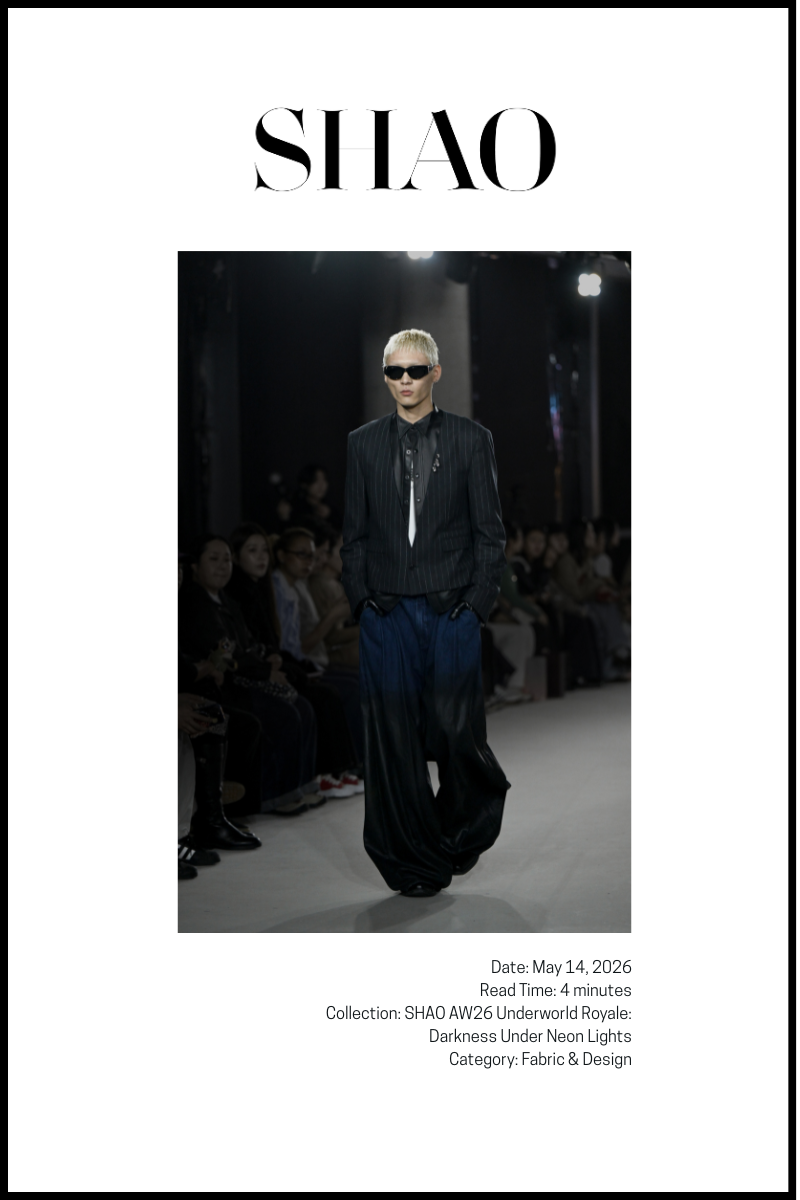
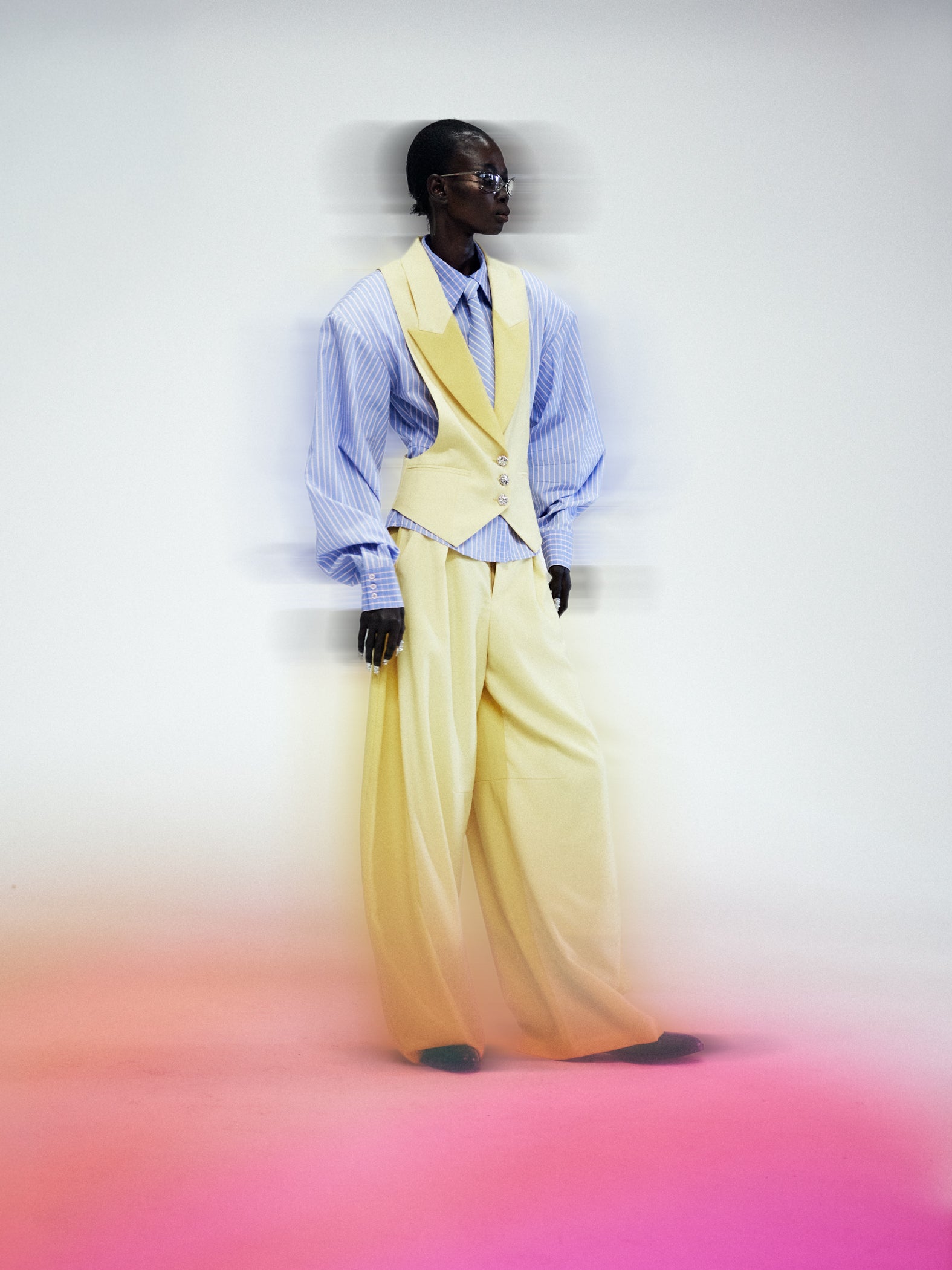
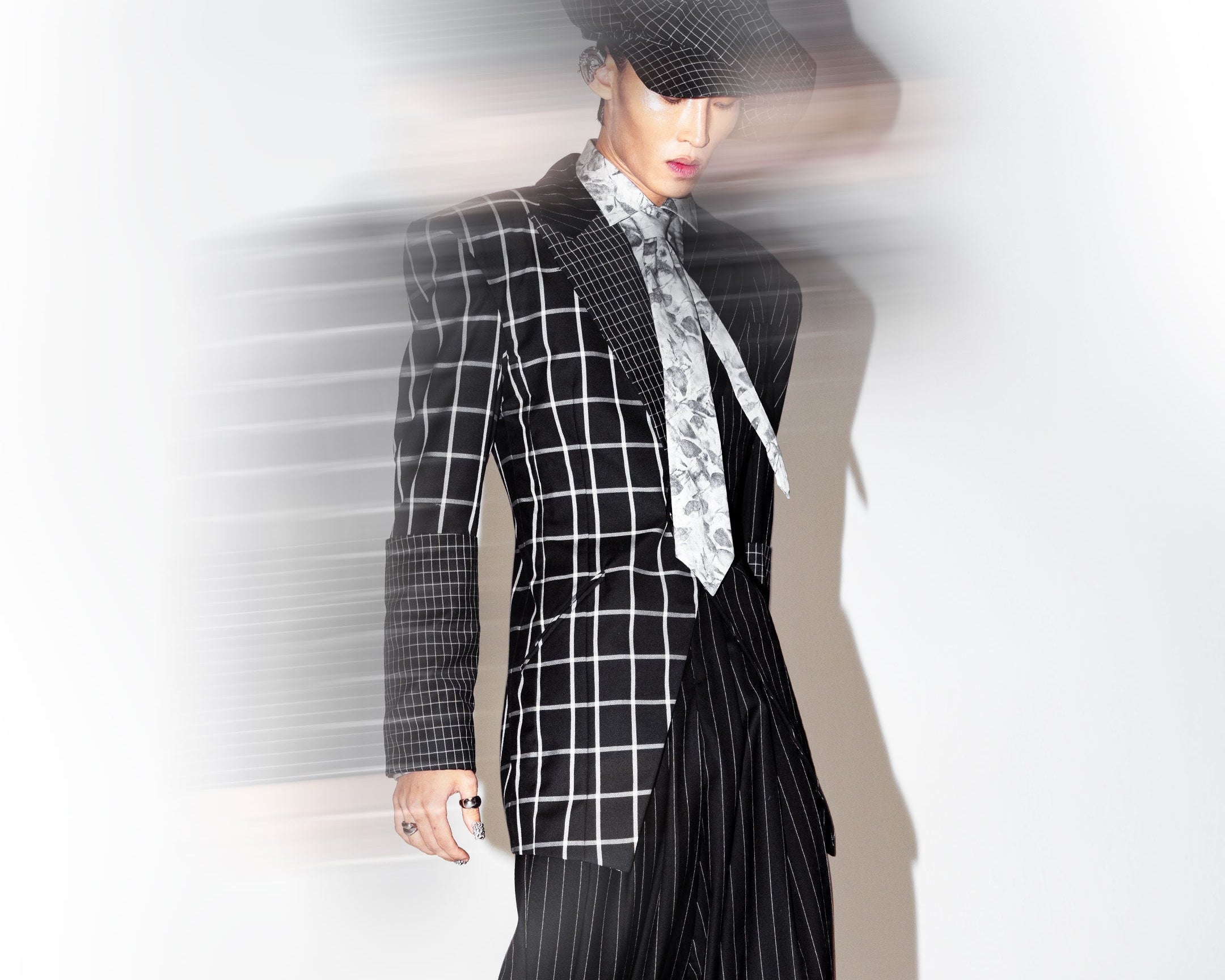
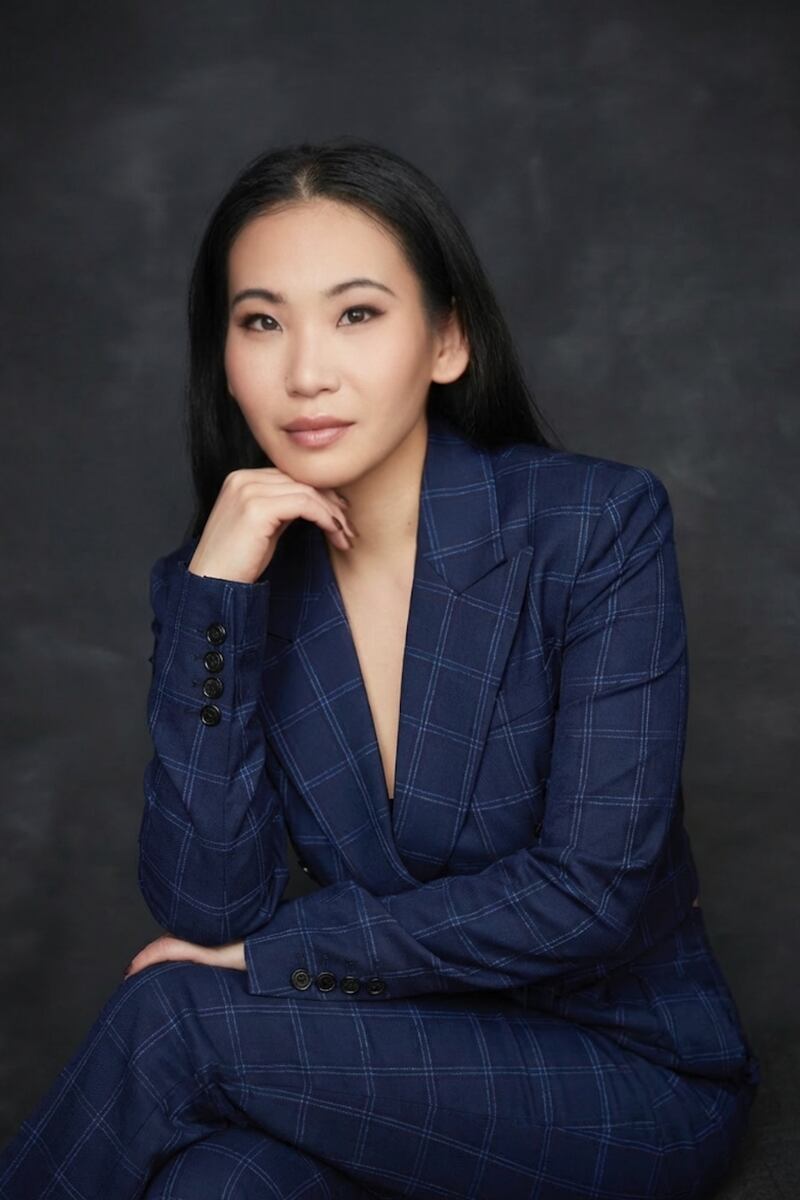 Shao Yang founded her eponymous label on the principles of tailoring and craftsmanship, built for the person whose life sits at the intersection of business, culture and nightlife across New York, Paris, Shanghai and Hong Kong. The brand is currently DTC and expanding into wholesale — a transition Yang is approaching with a clear set of principles. “It’s important that it’s not just transactional — both parties need to talk about the brand, but also how it’s going to fit in that world as well.”
Discoverability has been built on SEO from the beginning. But as the internet shifts, Yang is increasingly focused on something harder to optimise for. “I think as the internet is changing and the way clients are finding brands and shopping is changing, we’re very focused more on how we’re visually telling the stories on all social platforms. Not just Instagram, but across WeChat, Weibo, Douyin, RedNote, TikTok — everything.”
 Loyalty, Yang says, follows the same logic — not through a single viral moment but through consistent, trustworthy presence. “Being true to your DNA as a brand and showing up consistently — showing up on time, showing up with the craftsmanship and customer service that you promise to provide. If you consistently hit all those points, you’re going to build loyalty with your clients.”
What the RaiseFashion masterclass reinforced for Yang is that there’s no single path to building a brand. A chance encounter with a fellow cohort member during Shanghai Fashion Week led to a dinner conversation about brand building across different stages. “It’s valuable to hear perspectives from designers just starting out to those a decade in who are still evolving,” she says. In an industry that moves as quickly as fashion, that willingness to keep learning and adapting is essential to sustaining growth.
Discover SHAO — Book a bespoke fitting
Experience SHAO Bespoke. Designer-led custom tailoring by private appointment in SoHo, NYC. Book a private fitting →